
Keith Haring
Bridging the gap between the art world and the street, Keith Haring rose to prominence in the early 1980s with his graffiti drawings made in the subways and on the sidewalks of New York City.
Artworks by Keith Haring

Totum (Unique Signed Trial Proof) Woodcut over 3 sheets of paper
89 x 195 cm
Signed Woodcut
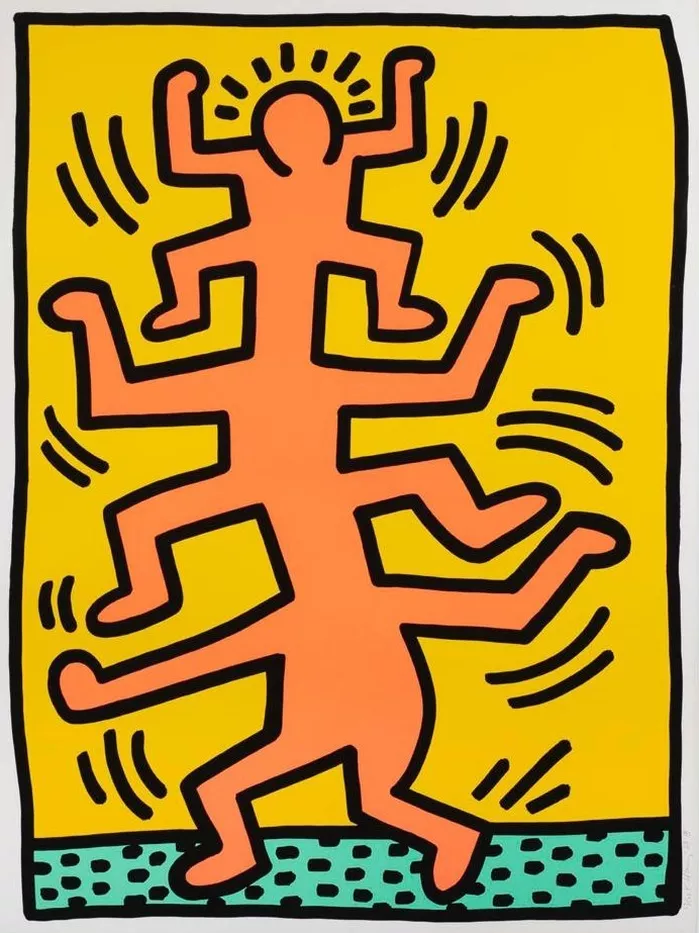
Growing (1) Signed edition of 100
76 x 102 cm
Signed Screenprint on Paper
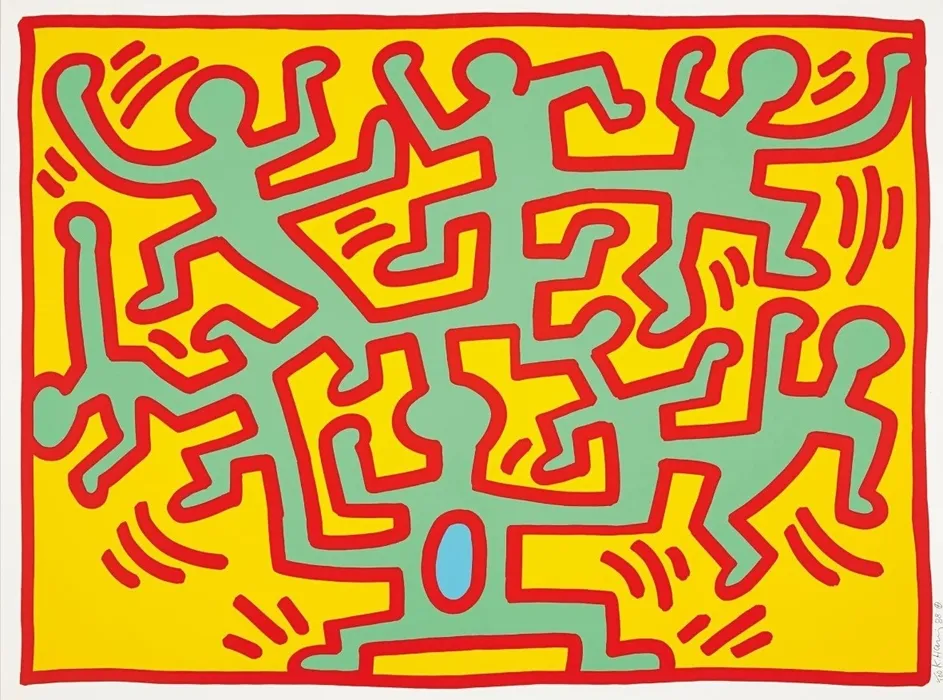
Growing (2) Signed edition of 100
102 x 76 cm
Signed Screenprint on Paper
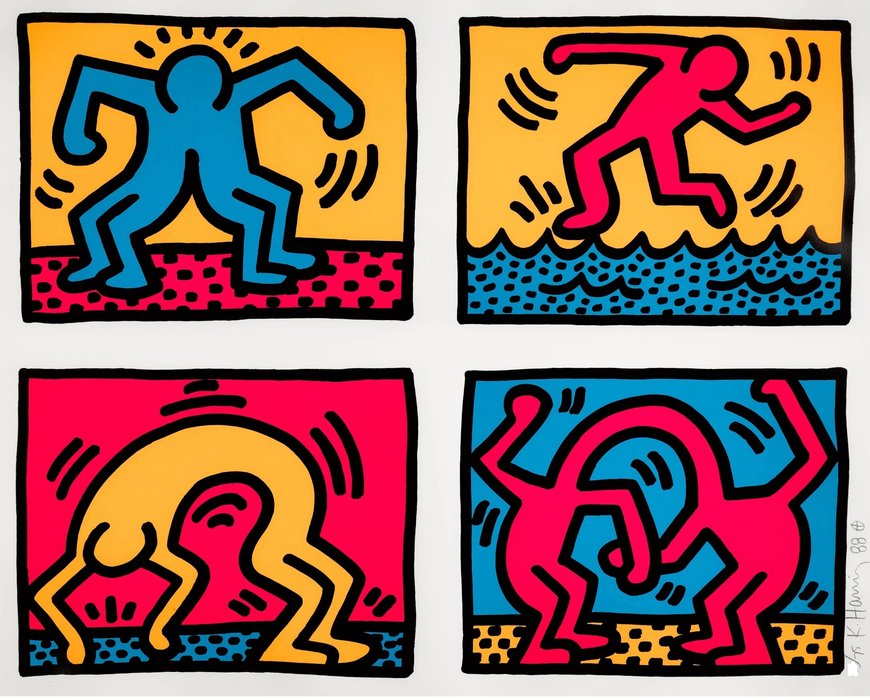
Pop Shop II (signed edition of 75)
76 x 61 cm
Silkscreen on paper
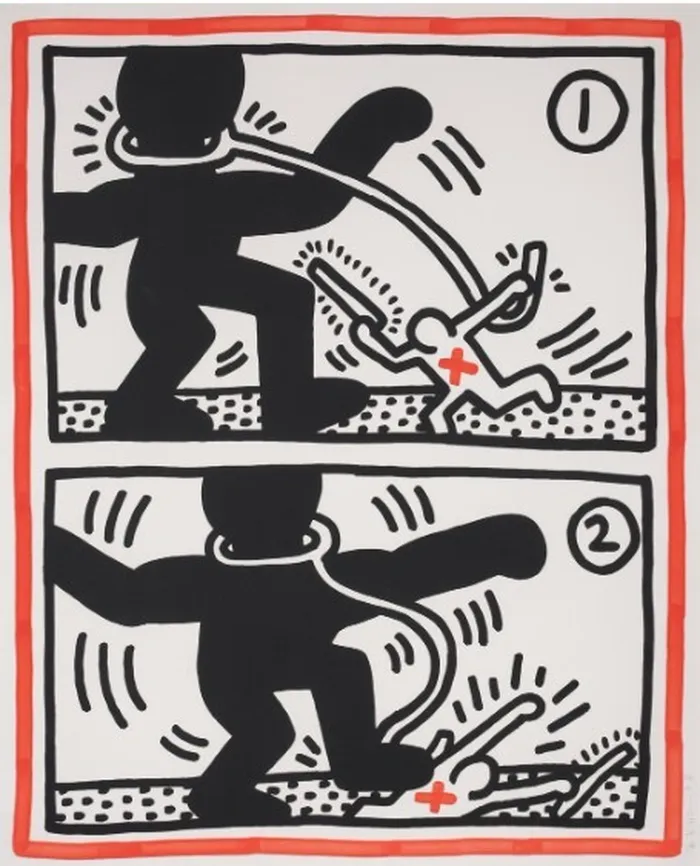
Untitled III, from Free South Africa (Signed edition of 60)
81 x 100 cm
Signed Screenprint on Paper
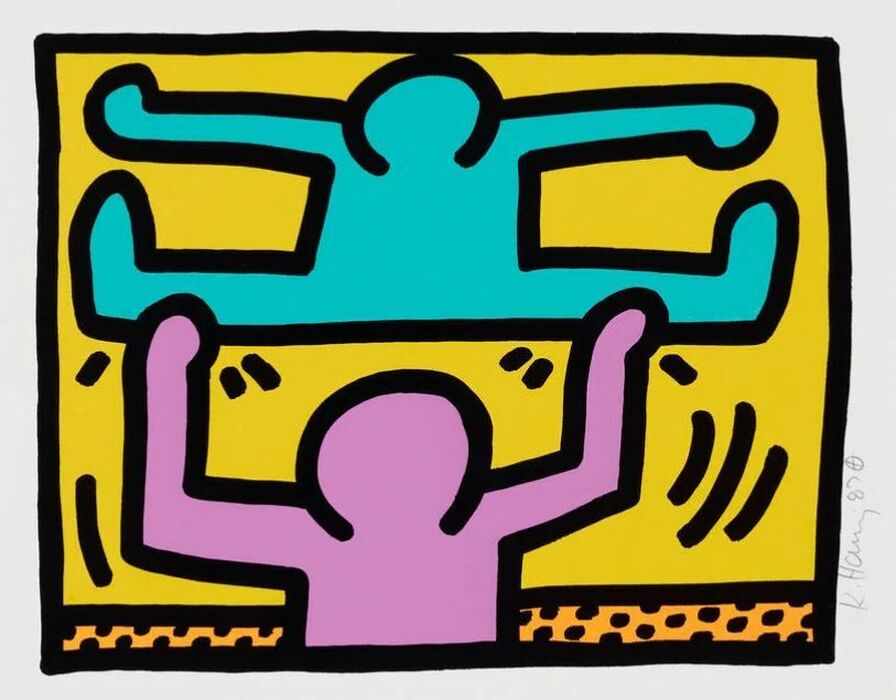
Pop Shop I -plate 4 (Signed edition of 200)
38 x 31 cm
Signed Limited Edition Silkscreen on Paper
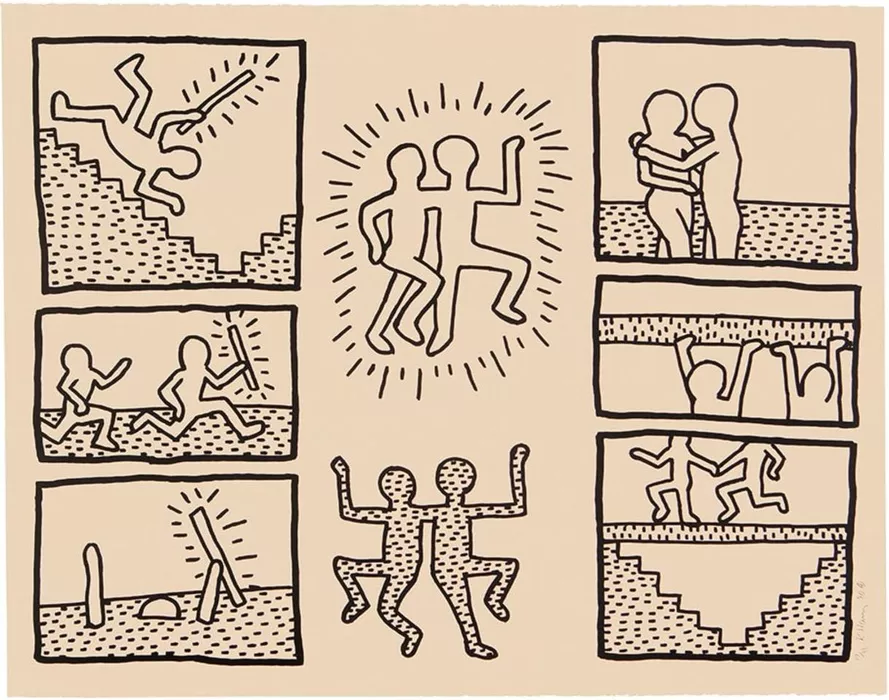
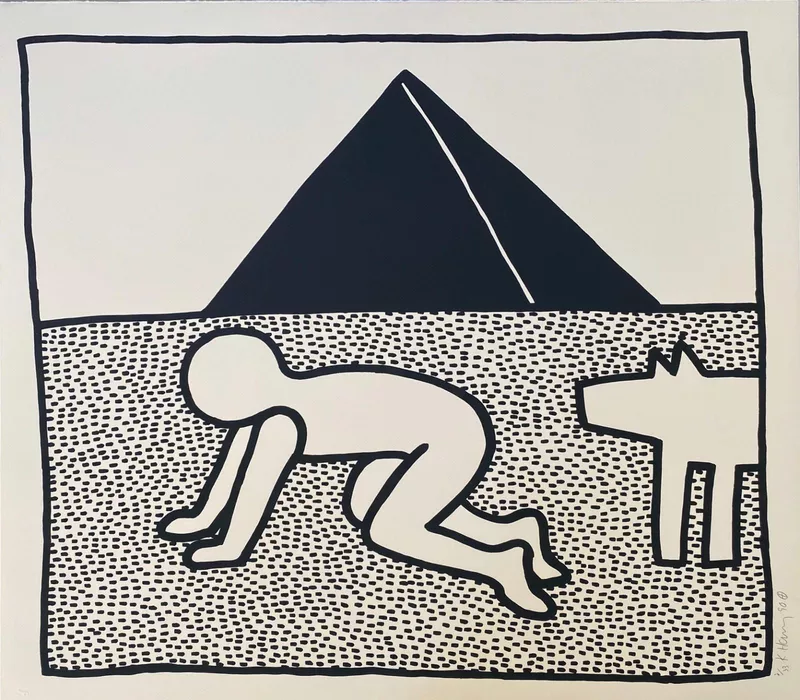
“Untitled” from The Blueprint Series - No.2 (Signed edition of 33)
137 x 108 cm
Signed Limited Edition Silkscreen on Paper
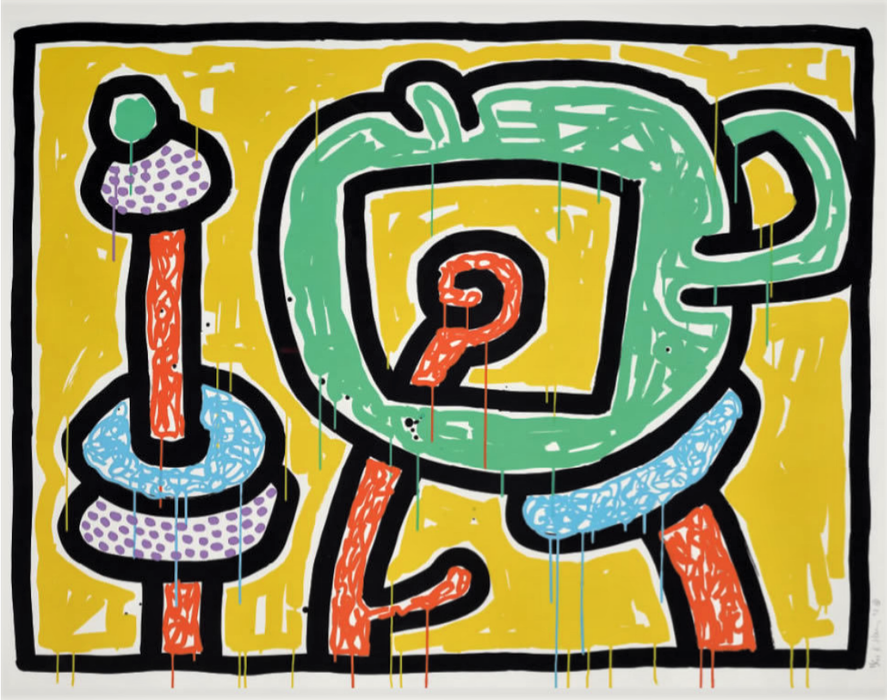
Flowers (3) Signed silkscreen edition of 100
130 x 99 cm
Silkscreen on paper
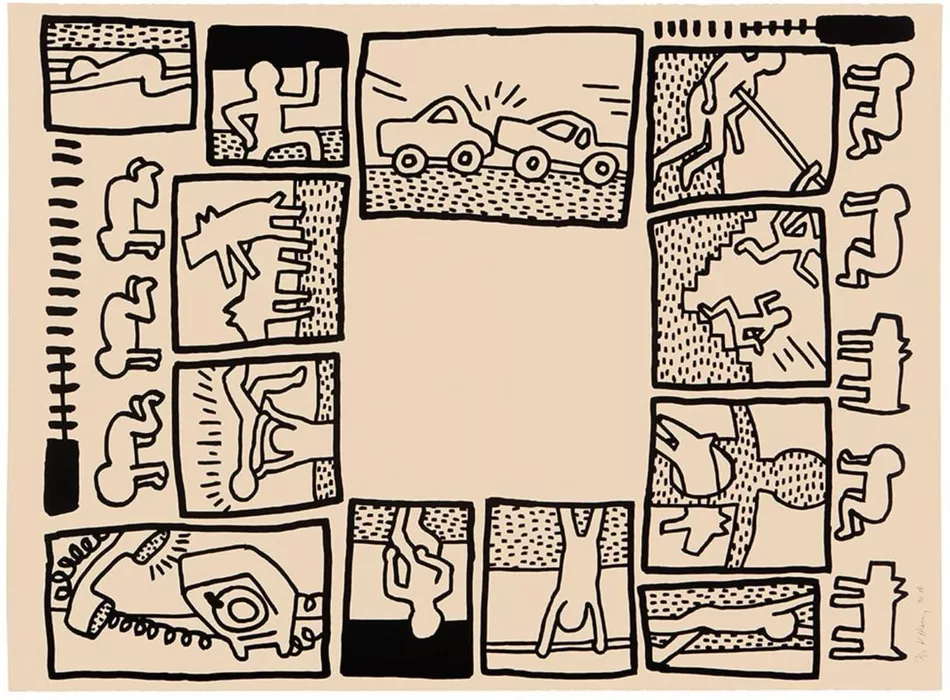
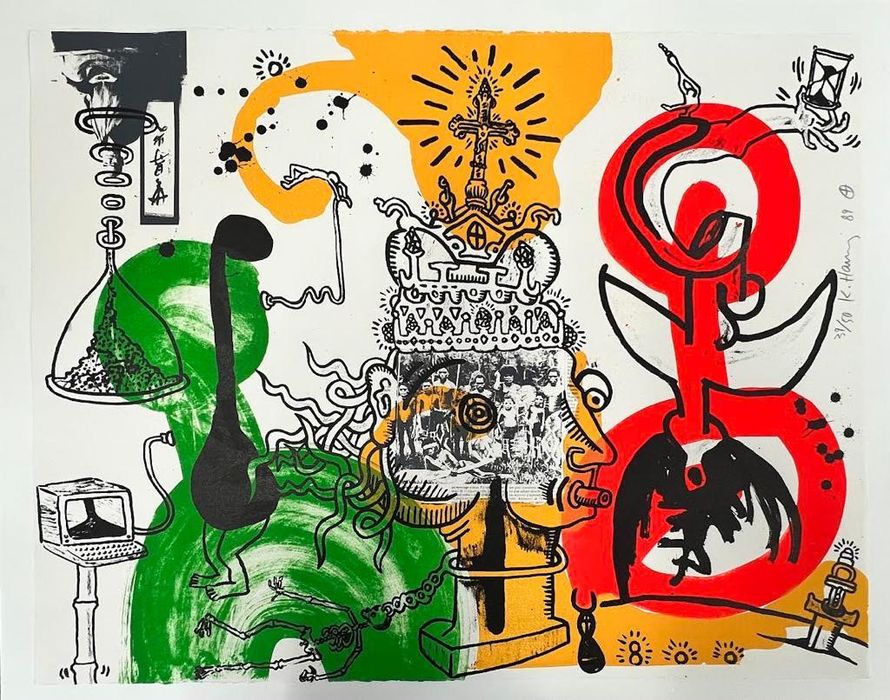
“Untitled” from The Blueprint Series - No.4 (Signed edition of 33)
146 x 108 cm
Signed Limited Edition Silkscreen on Paper
SHHHHH....Our newsletter subscribers are the first to know!
Be the among the first to know about new work from your favourite artists.- We send our newsletter out to our subscribers first, so you can to see before everyone else.
- We host subscriber only events and have special subscriber only prices.
- If you want to join the select list of art lovers and collectors, click below and add your email address.
Add me to the list

Keith Haring Biography
Combining the appeal of cartoons with the raw energy of Art Brut artists like Jean DuBuffet, Haring developed a distinct pop-graffiti aesthetic centered on fluid, bold outlines against a dense, rhythmic overspread of imagery like that of babies, barking dogs, flying saucers, hearts, and Mickey Mouse. In his subway drawings and murals, Haring explored themes of exploitation, subjugation, drug abuse, and rising fears of nuclear holocaust, which became increasingly apocalyptic after his AIDS diagnosis. Alongside Jean-Michel Basquiat, Kenny Scharf, and Jenny Holzer, Haring is regarded as a leading figure in New York East Village Art scene in the 1970s and '80s.



